
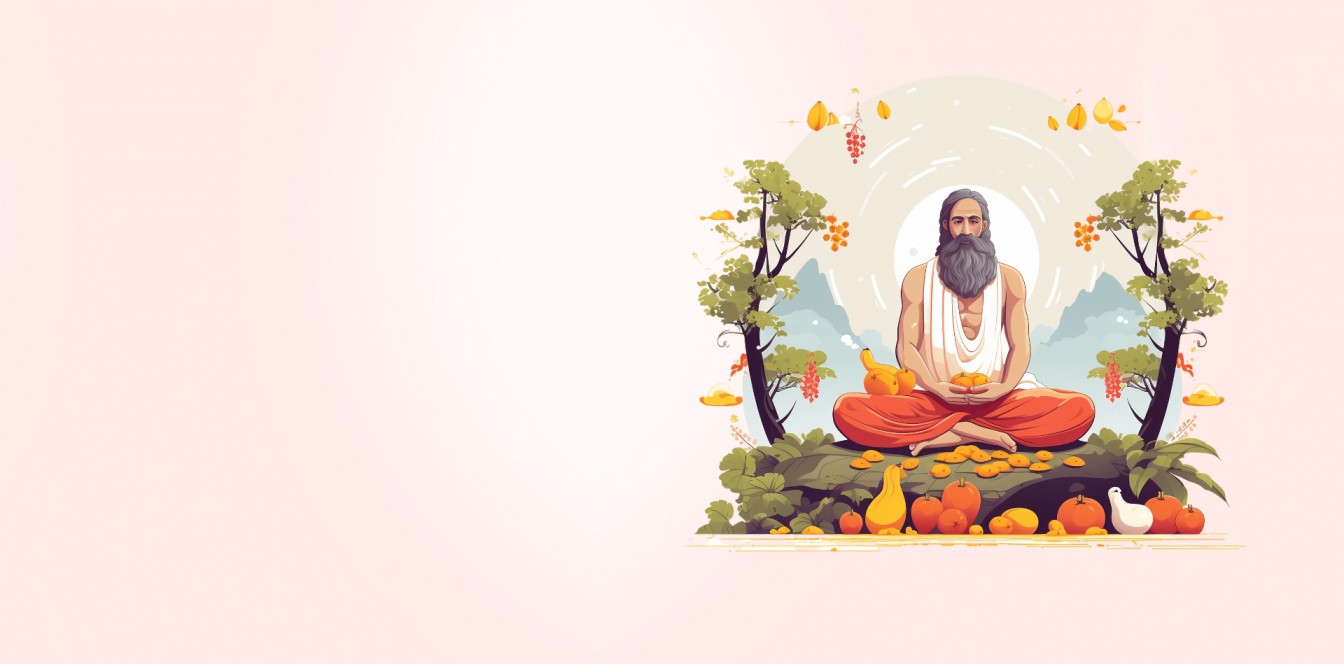
Heart Chakra (Anahata Chakra): The Alchemy of Love, Grief & Balance
By Bavishyavani Research Team | Medical & Spiritual Astrology Division Updated: December 29, 2025
Read Previous Chakra – The Manipura Chakra (Sacral Chakra)
You have built your foundation (Root). You have flown with your feelings (Sacral). You have ignited your power (Solar Plexus). Now, you arrive at the center.
Welcome to the Heart Chakra, or Anahata.
This is not just “another” chakra. It is the Bridge. Below the heart lie the chakras of Matter (survival, sex, power). Above the heart lie the chakras of Spirit (truth, intuition, divinity). The Heart is the exact midpoint where Earth meets Heaven, and where the Body meets the Soul.
It is the seat of Love. Not just romantic love, but unconditional love, compassion, forgiveness, and self-acceptance.
In our modern world, the Heart Chakra is under siege. We confuse “Love” with “Attachment.” We view vulnerability as weakness. We armor our chests to protect ourselves from pain, unknowingly locking out joy in the process.
When the Anahata is blocked, life feels heavy. You might be successful (Solar) and grounded (Root), but you feel isolated. You struggle to trust. You hold onto old grudges like precious stones. You suffer from respiratory issues or high blood pressure because your heart is literally “hardened.”
But when this center blooms, everything changes. You stop judging and start accepting. You attract deep, soulful relationships. You feel a profound sense of peace that doesn’t depend on external circumstances. You become a healer just by walking into a room.
In this comprehensive article, we will explore the emerald sanctuary of the Anahata. We will analyze its connection to Venus and the Sun, diagnose the symptoms of a “Broken Heart,” and provide the tools to melt the armor and let love in.
1. Anahata: The Anatomy of the “Unstruck Sound”
The Sanskrit name Anahata is mystical. It translates to “Unstruck.”
-
In Vedic tradition, all earthly sounds are created by two things striking together (friction).
-
The Anahata Nada (Sound of the Heart) is the cosmic sound of the Universe (OM) that exists without friction. It is the sound of silence, of pure love, that requires no conflict to exist.
The Vital Stats:
-
-
Location: The center of the chest, at the level of the sternum (not the physical heart on the left, but the energetic center). It governs the heart, lungs, thymus gland (immunity), arms, and hands.
-
Color: Green. The color of nature, life, and healing. While we associate red/pink with romance, Green is the vibration of balance and growth. (Note: The “Higher Heart” is sometimes visualized as Pink).
-
Element: Air (Vayu). Love is like air—it is everywhere, invisible, and necessary for life. It expands to fill any space. It is light, mobile, and gentle.
-
Bija Mantra (Seed Sound): YAM. A sound that vibrates the chest cavity. Chanting “YAM” creates a physical resonance that loosens tightness in the sternum.
-
Sense: Touch. The skin is the organ of touch, but the feeling of touch (connection) is governed by the Heart. Hugging is a Heart Chakra action.
-
Lotus Symbol: A Twelve-Petaled Lotus. Inside is a smoky-grey hexagram (two intersecting triangles). One triangle points up (Shiva/Spirit), one points down (Shakti/Matter), symbolizing perfect balance.
-
The Animal Totem: The Antelope
The symbol of the Anahata is the Black Antelope. The antelope is fast, light, and extremely sensitive. It can sense a predator (danger) from miles away. Similarly, an open Heart Chakra makes you highly sensitive to the emotional vibes of others (Empathy). It represents the grace and gentleness of the spirit.
2. The Psychology of Balance: Love vs. Grief
The Heart Chakra develops between the ages of 21 and 28. This is young adulthood—the time when we typically step out of our parents’ shadow, form serious romantic partnerships, and begin to define our own values.
The central psychological theme of the Anahata is Integration. It is about integrating the Shadow and the Light. It is about moving from “Me” (Ego) to “We” (Unity).
If, during these years, you experienced healthy relationships, learned to forgive, and practiced self-love, your Heart Chakra expanded.
However, if you experienced:
-
Heartbreak, betrayal, or divorce.
-
Rejection by a peer group.
-
Grief (death of a loved one).
-
Conditional love from parents (“I will love you only if you succeed”).
-
Emotional abandonment.
…then your Heart Chakra built a wall. You learned that love is painful.
The Demon of the Heart: Grief
The force that closes the Heart is Grief. Grief is heavy. It feels like a physical weight on the chest. While anger (Solar Plexus) burns, Grief constricts.
-
“I will never let anyone in again.”
-
“I am unlovable.”
When Grief is unprocessed, it turns into bitterness. The “Air” element stops moving, and the heart becomes stagnant. Healing the Anahata is not about “getting over” grief, but about breathing through it until the air can flow again.
3. The Astrological Connection: Venus and The Sun
In Vedic Astrology, the Heart is the kingdom of feelings. It is governed by the planets of Love and Soul.
Venus (Shukra): The Lord of Relationship
Venus is the primary ruler of the Heart Chakra. Venus governs harmony, beauty, diplomacy, and the ability to connect with others.
-
A Strong Venus: If Venus is exalted (in Pisces) or in its own sign (Libra/Taurus), your Heart Chakra is naturally open. You are compassionate, forgiving, and you see beauty everywhere. You attract love easily.
-
An Afflicted Venus: If Venus is debilitated (in Virgo) or crushed by Saturn, your Heart is guarded. You may be overly critical of partners, cynical about love, or feel unworthy of affection.
The Sun (Surya): The Soul of the Heart
The Heart is also the seat of the Atman (Soul). In Vedic anatomy, the soul resides in the “Cave of the Heart.”
-
The Sun represents the “Higher Heart”—the divine spark within. While Venus is romantic love, the Sun is universal love. A strong Sun gives you the courage to love openly (Lionhearted).
The Moon (Chandra) & 4th House
-
The 4th House: Represents the chest/breast area and emotional happiness (Sukha Sthana). Afflictions here (like Mars/Rahu in the 4th) cause “Heartburn”—emotional turmoil that disrupts peace.
-
The Moon: Rules the emotional capacity to care. A “Moon-ruled” person (Cancer) leads with their heart.
4. Diagnosis: Symptoms of Balance and Imbalance
The Heart Chakra is the center of the seesaw. Imbalance here usually tips into being “Too Open” (Codependent) or “Too Closed” (Cold).
Signs of a Balanced Heart Chakra
When the Anahata is blooming, you feel:
-
Compassionate: You can understand others’ pain without drowning in it.
-
Forgiving: You realize that holding grudges only hurts you.
-
Peaceful: You have a calm, breezy demeanor.
-
Connected: You feel a part of the web of life.
-
Self-Loving: You treat yourself with the same kindness you offer others.
-
Physically Light: Your chest feels open, and your breathing is deep.
The Imbalanced Heart: Two Extremes
Type A: The Underactive (Blocked) Heart
This is the “Armored Heart.” The wall is up.
-
Emotional Symptoms: Loneliness, inability to trust, fear of intimacy, antisocial behavior, narcissism (inability to empathize), bitterness, judgment, depression.
-
Lifestyle Symptoms: Isolation, sabotaging relationships when they get too close, “Stone Heart” personality, lack of empathy.
-
The Vibe: Cold, distant, unreachable.
Type B: The Overactive (Excessive) Heart
This is the “Bleeding Heart.” No boundaries.
-
Emotional Symptoms: Codependency, losing oneself in others, jealousy, possessiveness, “saving” people who don’t want to be saved, martyrdom (“I do everything for you!”), clinginess.
-
Lifestyle Symptoms: Staying in abusive relationships, over-giving to the point of exhaustion, inability to say no to emotional demands.
-
The Vibe: Suffocating, desperate, overly dramatic.
Physical Manifestations of Illness
Because the Heart Chakra governs the chest cavity, imbalances manifest as:
-
Cardiovascular Issues: High blood pressure, heart palpitations, poor circulation (cold hands).
-
Respiratory Issues: Asthma, bronchitis, allergies, frequent pneumonia. (Grief is stored in the lungs).
-
Immune Disorders: The Thymus gland controls T-cells. A blocked heart weakens immunity.
-
Upper Back/Shoulder Pain: Carrying the “weight of the world” on your shoulders.
-
Breast Issues: Cysts or lumps can be energetic manifestations of “over-nurturing” or “lack of self-nurturing.”
5. The Healing Protocol: Melting the Armor
Healing the Heart Chakra is the most delicate work. Unlike the Solar Plexus where you need to “Push,” the Heart requires you to “Soften.” You cannot force a flower to open. You can only provide the right conditions.
A. Yoga Asanas for the Heart
“Heart Openers” are poses that physically expand the chest, stretching the muscles that tighten when we are afraid (hunching over).
-
Camel Pose (Ustrasana):
-
The Practice: Kneeling, you arch back and hold your heels. This exposes the most vulnerable part of your body (the throat and heart). It releases deep grief. It is common to feel dizzy or emotional after this pose.
-
-
Cobra Pose (Bhujangasana):
-
The Practice: Lying on your belly, lift your chest. Keep the shoulders down. Visualize a green light beaming from your sternum.
-
-
Bridge Pose (Setu Bandhasana):
-
The Practice: Lifting the hips opens the chest toward the chin. It stimulates the Thymus gland and thyroid.
-
-
Eagle Arms (Garudasana):
-
The Practice: Wrapping arms around each other stretches the back of the heart (between shoulder blades). This is where we hold “stabbed in the back” betrayal energy.
-
B. Pranayama (Breathwork)
-
Nadi Shodhana (Alternate Nostril Breathing):
-
The Technique: Balancing the Left (Moon) and Right (Sun) channels. The Heart is the balance point. This breath calms the nervous system and centers the mind in the heart.
-
-
Full Yogic Breath: Breathing deep into the belly, then the ribs, then the upper chest. Expanding the ribcage breaks the physical constriction of grief.
C. Diet and Foods
To heal the Heart, eat Green.
-
Leafy Greens: Spinach, kale, chard, lettuce. They are rich in chlorophyll (stored sunlight).
-
Green Vegetables: Broccoli, zucchini, green beans, peas, avocado.
-
Green Tea: Antioxidant-rich and soothing.
-
Matcha: A concentrated green powder that boosts energy without the jitters.
D. Astrological Remedy: Crystal Therapy
Use green or pink stones to resonate with Venus.
-
Rose Quartz: The “Master Healer.” Soft pink energy that dissolves trauma and teaches self-love. Place it on your chest while sleeping.
-
Emerald (Panna): The stone of Mercury/Venus. It brings harmony, loyalty, and domestic bliss. It strengthens the physical heart.
-
Green Aventurine: The “Stone of Opportunity.” It clears old patterns so new love can enter.
-
Malachite: A powerful “vacuum cleaner” for emotional pain. It pulls out negativity.
E. Sound Therapy and Mantras
-
The “YAM” Chant: Focus on the center of your chest. Chant “YAAAAAM.” Feel the vibration in your sternum.
-
The “Ra Ma Da Sa” Mantra: A Kundalini healing mantra that attunes the soul to the frequency of universal healing.
-
Affirmations:
-
“I am worthy of love.”
-
“I forgive myself and others.”
-
“I live in balance with others.”
-
“My heart is open to the flow of the Universe.”
-
F. The Practice of Metta (Loving-Kindness)
The most powerful remedy for a closed heart is Metta Meditation.
-
Step 1: Close your eyes. Send love to yourself. (“May I be happy.”)
-
Step 2: Send love to a friend. (“May you be happy.”)
-
Step 3: Send love to a neutral person (e.g., a cashier).
-
Step 4: (The Hardest Step): Send love to an “Enemy” or someone who hurt you. (“May you be free from suffering.”)
-
Why: Forgiveness is not for them; it is for you. It cuts the energetic cord that drains your Heart Chakra.
Frequently Asked Questions: Heart Chakra Healing
Q: What does a blocked Heart Chakra feel like physically? A: Physically, a blocked Heart Chakra often manifests as respiratory issues like asthma, high blood pressure, heart palpitations, and tension in the upper back or shoulders. Energetically, it feels like a “heavy chest” or a literal heartache.
Q: Which planet rules the Heart Chakra? A: In Vedic Astrology, the Heart Chakra (Anahata) is primarily ruled by Venus (Shukra), governing love and relationships. It is also the seat of the Soul (Atman), connecting it to the Sun (Surya).
Q: Can a Heart Chakra be too open? A: Yes. An overactive Heart Chakra leads to codependency, lack of boundaries, jealousy, and “loving too much” to the point of losing your own identity. Heart Chakra healing involves balancing this energy, not just opening it.
Q: What is the best crystal for the Heart Chakra? A: Rose Quartz is the most famous stone for healing emotional wounds and promoting self-love. Emerald (Panna) is excellent for strengthening relationships and physical heart health, while Green Aventurine attracts new opportunities for love.
Conclusion: The Courage to Be Soft
In a world that values hardness, having an open heart is a revolutionary act.
The Anahata teaches us that true power is not force (Solar Plexus) but Vulnerability. To love is to risk. To care is to be exposed. But it is only through this exposure that we can truly connect.
Healing your Heart Chakra bridges the gap between your animal instincts and your divine potential. It turns you from a “Survivor” into a “Lover.”
Next Steps in Your Chakra Journey: You have opened your heart. Now, you must speak your truth. Love without expression is silent. Read the next article in this series:
[The Throat Chakra (Vishuddha) Deep Dive: Finding Your True Voice].